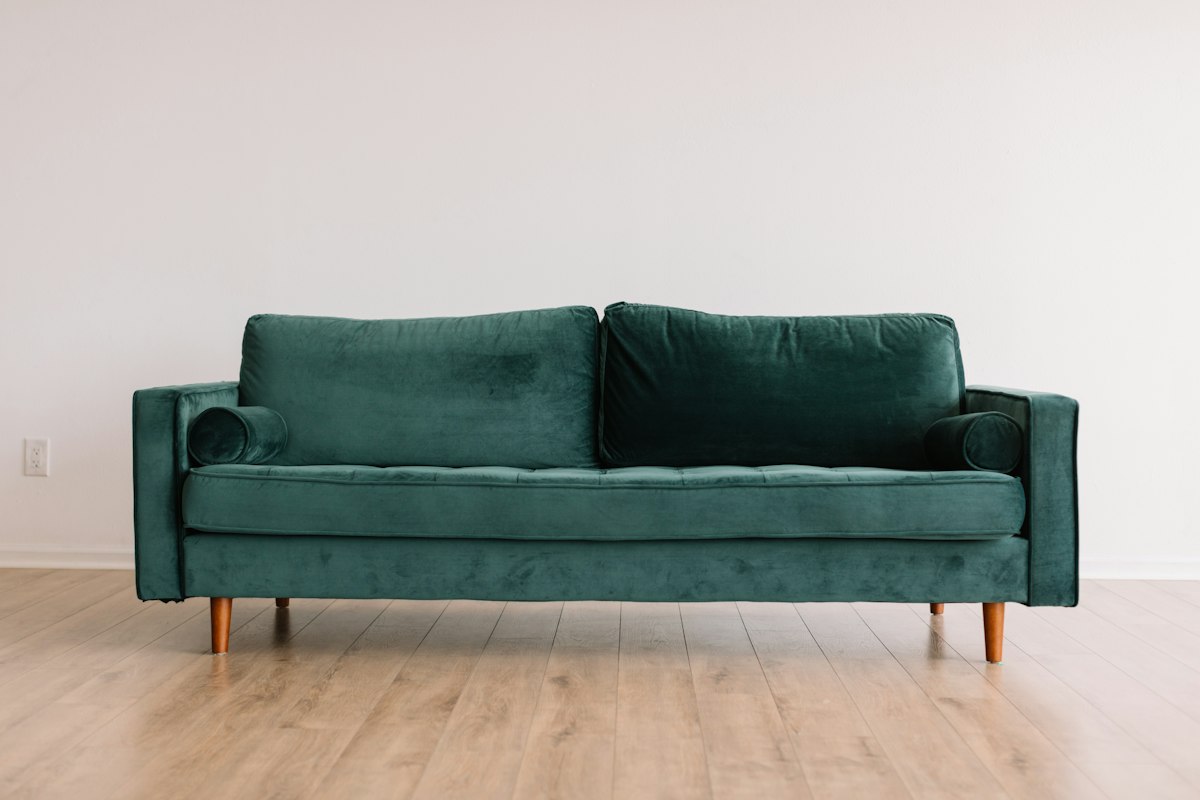
Staging a single room scene for a furniture or home decor product used to cost you real money. We're talking $500 minimum, usually closer to $800-$1,500 when you factor in the photographer, the staging, renting or owning the props, and the editing after. And that's for one shot.
If you've got 50 products and you want them each in 3 lifestyle contexts? Do the math. That's a $75,000 photography budget before you've sold a single throw pillow.
Most small home decor brands just skip it. They upload white background shots and hope for the best. And then they wonder why their conversion rate is stuck at 1.2%.
Here's the thing: people don't buy furniture or home decor in a vacuum. They buy it because they can picture it in their living room, their bedroom, their kitchen nook. If your photos don't help them do that, you're making them work too hard. And they won't.
the actual cost breakdown nobody talks about
Let me give you real numbers from what we've seen sellers dealing with.
A mid-tier lifestyle photoshoot for a home goods brand typically involves:
- Photographer: $350-600 for a half day
- Studio or location rental: $200-500
- Prop styling: $150-400 (or a stylist at $50-75/hr)
- Editing and retouching: $20-50 per final image
- Coordination time (yours or an employee's): easily 5-8 hours per shoot day
You end up with maybe 15-20 usable images per shoot day. So your cost per image is roughly $60-100 minimum, often more.
AI room scenes? Once you have your product photo (even a plain white background shot), you're generating lifestyle images in minutes for pennies. We've seen sellers run full 50-SKU catalogs through AI staging tools and get every product into 4-5 different room contexts in an afternoon. Total cost: under $50.
That's not a rounding error. That's a completely different business.
what AI room scene generation actually looks like now
I want to be honest about where the tech is, because a year ago I'd have told you to be cautious. The outputs were inconsistent, furniture legs would disappear, shadows looked wrong. That's changed fast.
The best AI product photography tools right now can take your product image and place it convincingly in a staged room environment. Couch in a warm Scandinavian living room. Throw blanket draped over a reading chair by a window. Candle on a marble bathroom shelf. The lighting matches, the perspective is right, and if someone isn't looking hard for flaws, they won't find them.
For Amazon main images, you still need that white background. But Amazon lets you use lifestyle images in slots 2 through 7 of your listing. Those are the images that close the sale after your main image gets the click. If those slots are empty or weak, you're leaving money on the table every single day.
For Shopify, Instagram, Pinterest? Lifestyle shots are everything. You can learn more about why Pinterest specifically rewards lifestyle photos over white backgrounds and how that drives real free traffic.
the sellers winning right now
Home decor brands that figured this out early are running circles around competitors who are still booking photoshoots 6 weeks in advance.
Here's a pattern we see a lot: a seller launches a new product line, 12 SKUs. Old workflow: schedule a shoot, wait 3 weeks, get photos back, wait another week for edits, finally upload. That's a month before the listing is optimized.
New workflow: take clean product photos on a phone or with a basic setup, run them through AI, get 40+ lifestyle images back same day, upload immediately. The listing is live and converting before the old-school competitor has even booked their photographer.
Speed matters in ecommerce. The listing that's been up and collecting reviews for 30 days always beats the one that launches perfectly a month later.
the specific room scenes that convert for home decor
Not all room contexts are equal. Based on what actually drives clicks and conversions for home goods categories:
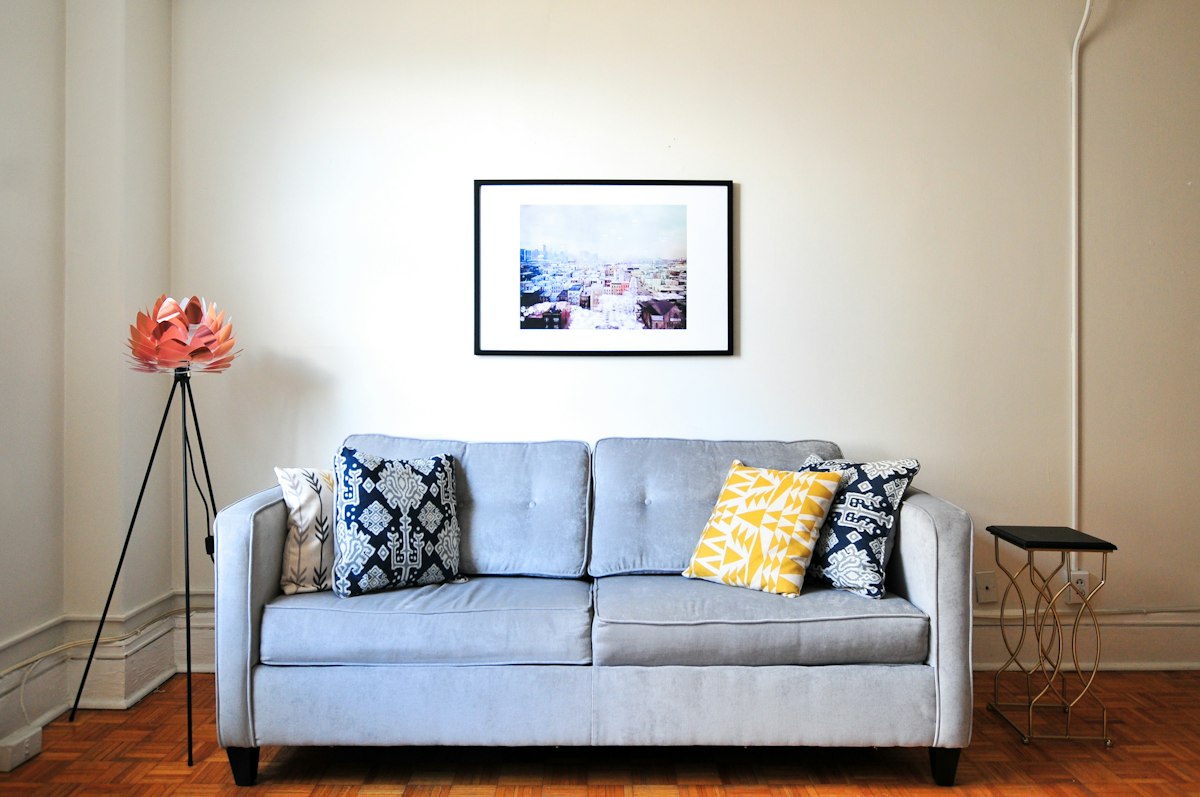
Living room/lounge: works for almost everything. Sofas, coffee tables, rugs, accent pieces, candles, throw pillows. This is your bread and butter scene.
Bedroom: great for bedding obviously, but also works for nightstand decor, lamps, mirrors, plants. Cozy and aspirational sells.
Kitchen/dining: essential if you're selling anything food-adjacent. Serving boards, candles, small appliances, table linens. Warm light, natural materials in frame.
Bathroom: smaller scale but high-converting for wellness and beauty-adjacent home goods. Candles, diffusers, towels, small storage.
Outdoor/patio: if any of your products can plausibly live outside, show it. Outdoor lifestyle images perform really well in spring especially.
The key thing is matching the scene to the actual buyer. Think about who's buying your product and where they live. A rustic farmhouse aesthetic serves a different customer than a minimalist urban apartment setup. Your product needs to look consistent across every platform it shows up on, which is another thing AI staging helps you control.
how to actually do this
Here's the practical workflow:
Get a clean product photo. White background preferred, but a clean neutral surface works. Good lighting matters more than fancy equipment.
Use an AI product photography tool (like adcreator.ai) to generate room scene variations. Pick environments that match your brand aesthetic.
Generate at least 3-4 different scenes per product so you have options for different platforms and ad creative.
Review and cull. AI isn't perfect 100% of the time. Pick the ones that look right, regenerate any that have obvious issues.
Upload strategically. Main image stays white background for Amazon. Lifestyle shots fill the rest of the gallery. On your own site, lead with the most aspirational lifestyle image.
what about returns?
Here's something that surprises people: good lifestyle imagery can actually reduce returns, not increase them. The worry is that if you show a couch in a beautiful room, customers will have unrealistic expectations.
In practice, the opposite happens. Customers who can visualize the product in context understand what they're getting better than customers staring at an isolated white background image. They know the scale, they see the color in real-world lighting, they understand how it fits in a space. That mental model is more accurate, not less. There's a whole breakdown on how better photos reduce returns if you want to go deeper on this.
the bottom line
If you're selling furniture, home decor, or anything lifestyle-adjacent and you're not using AI to generate room scenes, you're just choosing to spend more money and move slower than you need to.
The technology is good enough now. The cost difference is real. And the sellers who are already doing this aren't going to stop while you're catching up.
You don't need a $1,500 photoshoot to show customers what your couch looks like in a living room. You need one decent product photo and five minutes.