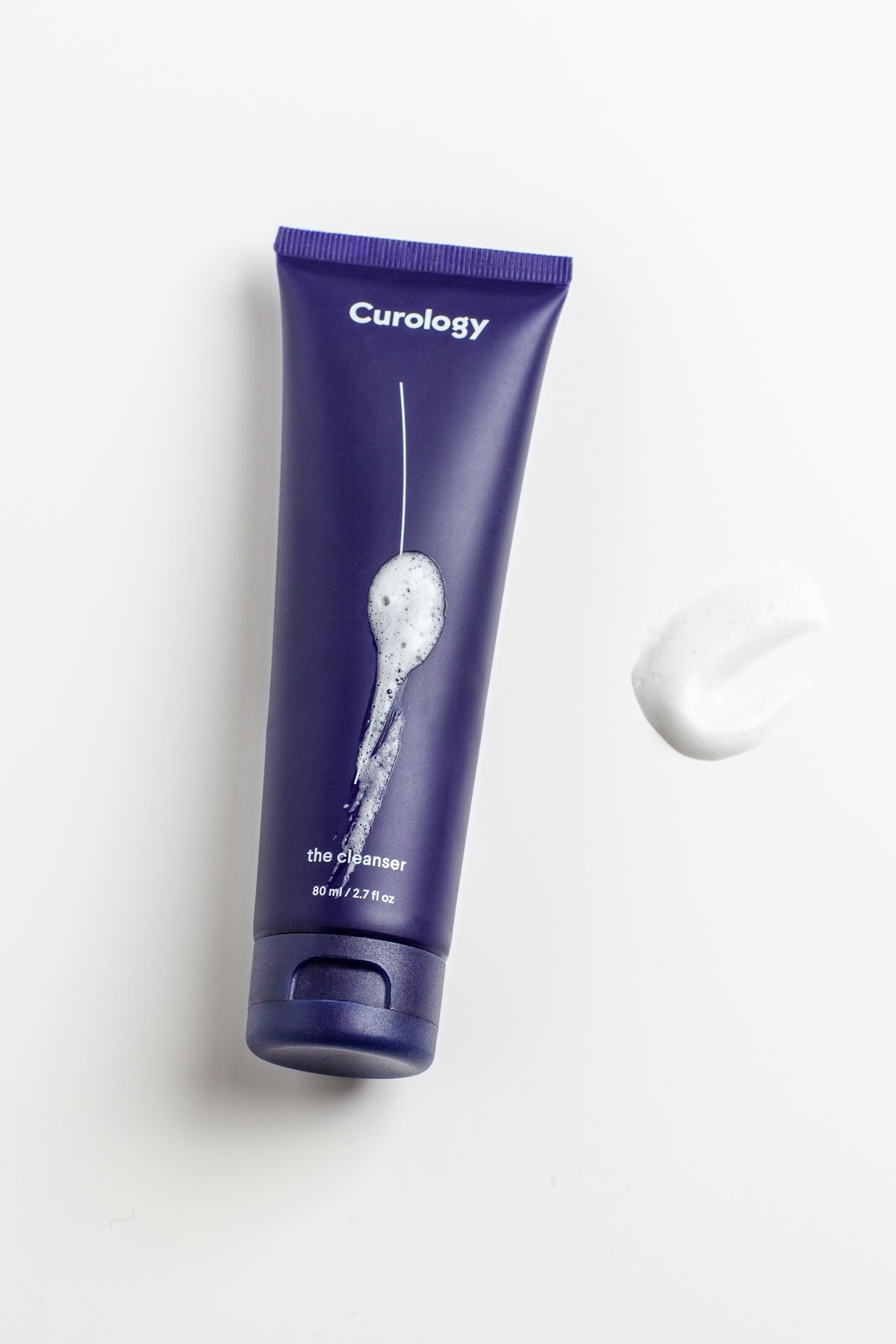
I talked to a skincare founder last month who was spending $4,800 per quarter on product photography. One studio day, a makeup artist, a prop stylist, a photographer. She'd get maybe 30 usable shots. Then she'd spend another $600 on retouching. For a four-SKU line.
She switched to AI product photos. Her last shoot cost her $40 and an afternoon.
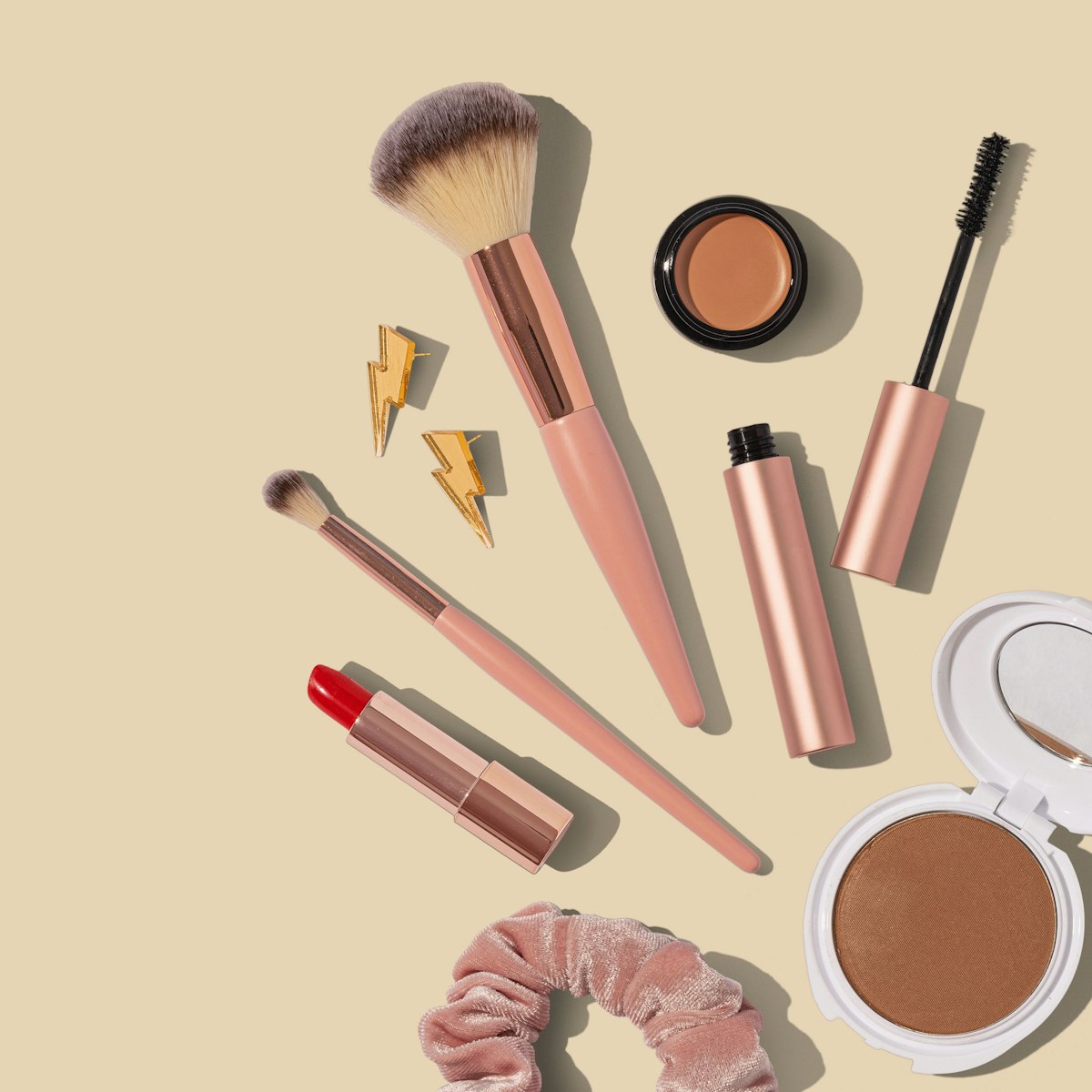
That's the gap we're talking about. And if you're in beauty or skincare, you need to understand this because your competitors already figured it out.
the dirty secret about beauty product photography
Most beauty brand product photos look the same. Marble surfaces. Pink backgrounds. A sprig of lavender. A sliced cucumber. You've seen it a thousand times because every brand is using the same studio in the same city with the same prop box.
Honestly, it's gotten boring. And boring doesn't convert.
The problem isn't the quality. It's the cost and the speed. If you're a small brand, you can't afford to reshoot your lineup every time a new trend hits. You can't pivot your visuals when a new aesthetic blows up on TikTok. You're stuck with whatever you shot three months ago.
AI product photography fixes that. You can create new visuals in an hour, test different looks without spending anything, and stay current without scheduling a studio.
what AI product photos actually do for beauty brands
Here's what you're actually getting when you use a tool like adcreator.ai for your skincare or cosmetics line:
Background replacement and environment generation. You upload a clean photo of your serum bottle or lipstick. The AI drops it into a professionally lit scene. Marble bathroom countertop. Minimalist concrete. Lush botanical garden. Whatever fits your brand. No studio rental.
Consistent lighting across your whole catalog. This one's underrated. When you shoot across multiple sessions, lighting never matches perfectly. AI-generated scenes have consistent lighting across every SKU, which makes your brand look way more put-together.
Rapid testing. Want to see your moisturizer on a terracotta surface for your fall campaign? Takes 90 seconds. Want to test a pastel pink background for Instagram versus a dark moody setup for a magazine ad? Both, done, compare.
Scale for large catalogs. If you have 30 SKUs, traditional photography gets expensive fast. AI lets you process your whole catalog in a fraction of the time and cost.
the specific challenges for beauty and skincare
Okay, let me be real with you. Beauty product photography has some quirks that make AI a little trickier than, say, shooting a mug or a phone case.
Texture matters a lot. A face cream in a jar needs to look luxurious. The light on the lid, the sheen of the product. If the AI flattens that out, it looks cheap. The good news is that modern AI has gotten really good at preserving surface texture and reflective materials. Glass bottles, metallic caps, frosted packaging, they all render well now.
Tiny type on labels. Product labels with ingredient lists and brand copy need to stay legible. When you swap backgrounds, the label should stay crisp. Most tools handle this fine as long as you start with a high-res source image.
Color accuracy. Your Dusty Rose lipstick needs to look like Dusty Rose, not some shifted variation of it. Always review AI-generated images against your actual product before publishing. Color drift happens occasionally and you need to catch it.
Multiple angles. Shoppers want to see the front, the back, the open lid, the texture. AI can handle front-facing shots really well. Overhead and angled shots work too. The key is having clean source photos to work from.
how to actually shoot your source photos for beauty products
This is where most people mess up. They try to use AI to save a terrible source photo and it doesn't work.
Your source photo doesn't need to be studio-quality. But it needs to be:
- Well lit. Natural window light works great. No harsh shadows. Soft diffused light. Overcast days are perfect for this.
- Sharp. The product should be in focus. A tripod helps.
- Clean background. White or light gray makes it easy for the AI to work with.
- High resolution. At least 1000x1000 pixels, ideally higher.
I've seen sellers shoot their entire skincare line on their kitchen counter next to a window with a white foam board as a backdrop. Total cost: $6 for the foam board. The resulting AI images look completely professional.
For more tips on nailing your source photos, check out this guide on phone photo tips for AI product photography. The same principles apply to beauty products.
what to do about lifestyle shots
Here's where it gets interesting. For beauty brands, lifestyle is everything. Your face wash needs to look like it belongs in a sun-drenched French bathroom. Your vitamin C serum should feel aspirational.
AI tools are getting good at placing products in lifestyle environments. You can generate a scene with your serum sitting on a marble vanity next to a glass of water and a white towel. It looks real. And it costs nothing compared to a location shoot.
The key for beauty brands is knowing when to use clean product shots vs. lifestyle. Clean white-background shots are non-negotiable for Amazon listings and Google Shopping. But lifestyle shots are what moves product on Instagram, Pinterest, and in email. You need both, and AI lets you create both quickly.
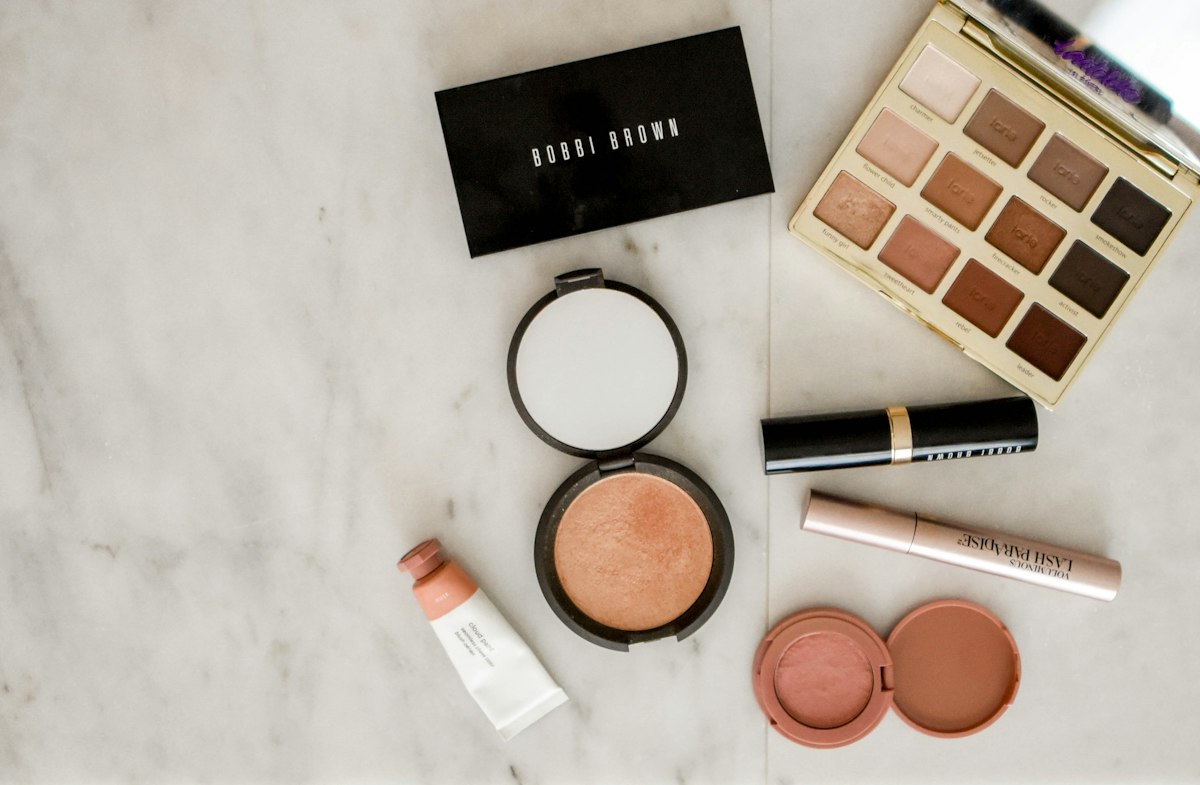
If you're not sure which works better for your audience, run a test. A/B testing your product photos takes the guesswork out and shows you actual data.
the numbers on switching to AI for beauty brands
Let me give you something concrete.
A typical product photography day for a beauty brand:
- Studio rental: $600-$1,200
- Photographer: $800-$2,000
- Makeup artist / prop stylist: $400-$800
- Post-processing: $400-$800
- Total per session: $2,200-$4,800
You'd get maybe 20-40 final usable images from that.
With AI:
- Tool subscription (like adcreator.ai): $30-$50/month
- Your time: 2-3 hours
- Per session cost: effectively $0 beyond the subscription
You'd generate 50-100+ images in a session. Test different looks, platforms, and seasonal variations. Keep what works.
For a small brand doing one shoot per quarter, that's roughly $10,000/year in photography costs versus $400/year for AI. Some brands are putting that $9,600 back into ads. That's a meaningful difference.
what AI product photos can't replace (yet)
Let's be honest about the gaps.
If you need a model wearing your skincare product, showing before/after skin texture, or demonstrating application technique, you still need a human and a camera. AI-generated people exist but they're not good enough yet for anything requiring close-up skin texture or product-on-skin accuracy.
If you're running a high-fashion editorial campaign, AI won't replace a skilled art director and a real studio. That level of controlled aesthetics and brand storytelling still needs humans.
And if you need video, you're mostly still in live-action territory. Though this is changing fast.
But for 80% of the product images a beauty brand needs? Catalog shots, platform listings, ad creatives, social content? AI handles it well today.
getting started
If you've got a small beauty or skincare line and you're still paying for studio time, try this:
- Grab a few of your best source photos (or shoot some fresh ones at a window)
- Run them through adcreator.ai and generate 5-10 variations per product
- Pick your favorites and drop them into your next ad campaign or listing update
- Track how they perform versus your old studio shots
Most brands see performance at least on par with their professional photos. Some see better results because the AI versions are faster to iterate and test.
The beauty industry is competitive as hell. The brands winning are the ones producing more content, faster, without burning their budget on production. That's what AI product photography makes possible.
You don't need $5,000 to look like you spent $5,000. That's kind of the whole point.