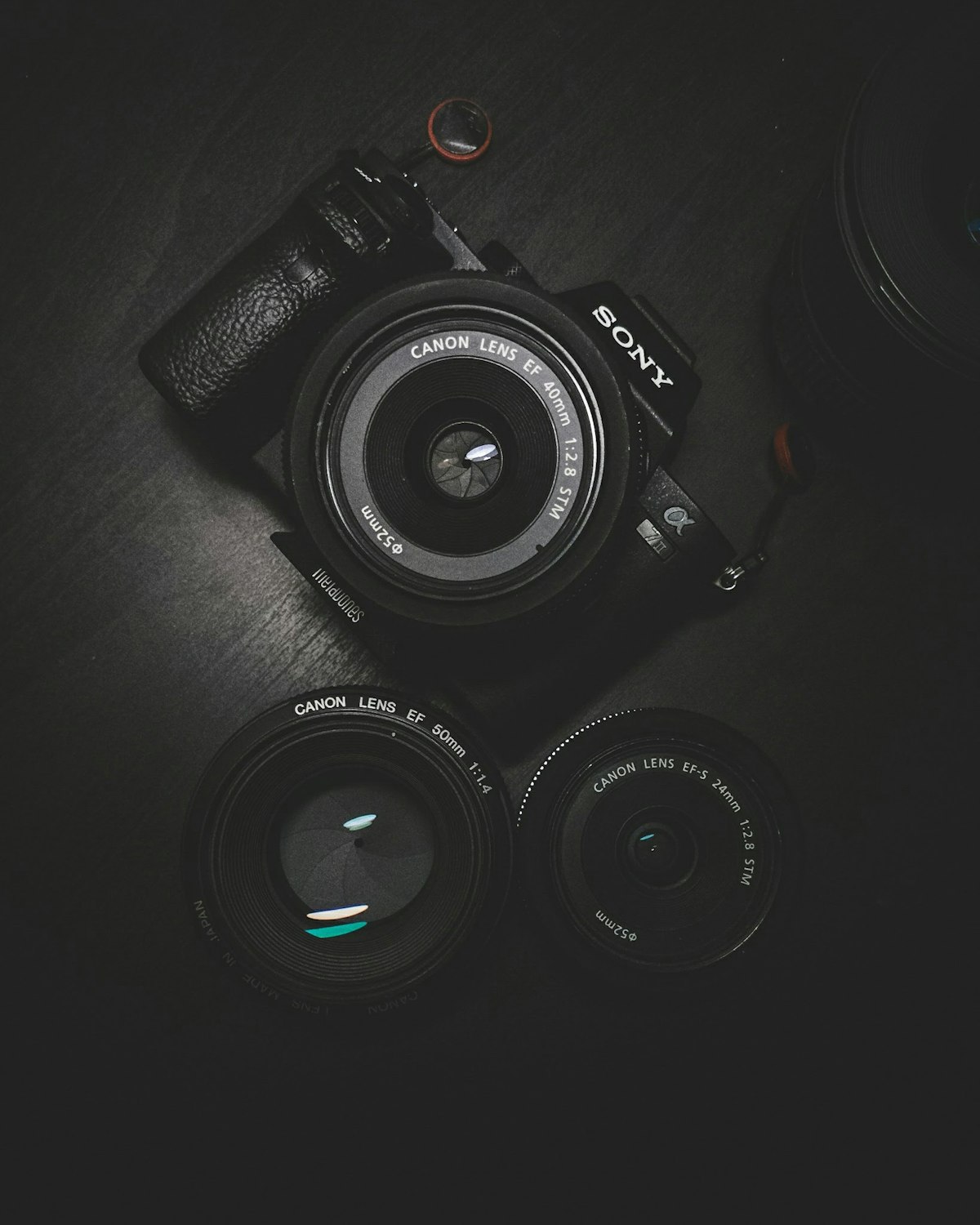
Product photography has always been the backbone of ecommerce success. But in 2026, the game has fundamentally changed. AI product photography tools now produce images that rival — and often surpass — what traditional studios deliver, at a fraction of the cost and turnaround time.
Whether you're a solo Shopify seller or managing thousands of SKUs for a major brand, this guide covers everything you need to know about using AI for product photography in 2026.
What Is AI Product Photography?
AI product photography uses artificial intelligence to generate, edit, or enhance product images. Instead of booking a studio, hiring a photographer, and spending hours in post-production, you can upload a simple product photo and let AI handle the rest — from background replacement to full scene generation.
Modern AI product photography tools can:
- Remove and replace backgrounds with photorealistic scenes
- Generate lifestyle imagery showing your product in real-world contexts
- Upscale and enhance low-resolution product shots
- Create multiple variations for A/B testing across platforms
- Maintain brand consistency across hundreds or thousands of SKUs
The technology has matured significantly. Early AI-generated product photos often looked synthetic or uncanny. In 2026, the best tools produce images that even professional photographers struggle to distinguish from traditional studio work.
Why AI Product Photography Matters in 2026
Speed to Market
Traditional product photography workflows take days or weeks. Coordinate with a photographer, rent a studio, style the shoot, wait for editing — it adds up. AI product photography tools like adcreator.ai compress this entire workflow into minutes. Upload your product image, describe what you want, and receive polished, marketplace-ready photos almost instantly.
For businesses launching new products or running seasonal campaigns, this speed advantage is transformative.
Cost Reduction
A single professional product photo shoot can cost anywhere from $25 to $500+ per image, depending on complexity. When you multiply that across an entire catalog, the numbers become staggering. AI tools dramatically reduce this cost, often to just a few dollars per image or less with subscription plans.
Scalability
This is where AI truly shines. Need 50 different background variations for a product line? Want to create region-specific imagery for different markets? Traditional photography makes this prohibitively expensive. AI makes it trivial.
Consistency
Human photographers are skilled, but every shoot introduces subtle variations in lighting, color, and composition. AI tools produce consistent results across your entire catalog, which matters enormously for brand perception and marketplace compliance.
How AI Product Photography Works
Most AI product photography follows a similar workflow:
Step 1: Capture a Base Image
You still need a starting point. Take a clean photo of your product — ideally on a plain white or light background. A smartphone camera works fine for most use cases. The AI will handle everything else.
Pro tip: Shoot from multiple angles. Even if your AI tool only needs one image, having options gives you better results.
Step 2: Upload and Configure
Upload your image to your AI tool of choice. You'll typically specify:
- The type of background or scene you want
- The mood or style (minimal, lifestyle, luxury, etc.)
- Output dimensions and format
- Any specific requirements (shadows, reflections, etc.)
Step 3: Generate and Refine
The AI produces one or more variations. Review them, request adjustments if needed, and download the finals. Most modern tools offer iterative editing — you can tweak specific elements without starting over.
Step 4: Export and Deploy
Export your images in the right formats and dimensions for each platform (Amazon, Shopify, Instagram, etc.) and upload them to your listings.
Key AI Technologies Powering Product Photography
Diffusion Models
The foundation of most AI image generation in 2026. Models like FLUX Kontext and Gemini Flash use diffusion-based architectures to generate photorealistic imagery from text prompts and reference images.
In-Context Image Generation
This is the breakthrough that made AI product photography truly practical. Rather than generating images from scratch, in-context models take your existing product photo as input and intelligently place it into new scenes while preserving product details, colors, and proportions.
Background Generation and Replacement
AI background tools have become remarkably sophisticated. They don't just swap out backgrounds — they generate contextually appropriate shadows, reflections, and ambient lighting that make the product look naturally placed in its environment.
Super Resolution and Enhancement
AI upscaling tools can take a basic smartphone photo and enhance it to professional quality — sharpening details, improving color accuracy, and increasing resolution without introducing artifacts.
Best Practices for AI Product Photography
Start with Good Source Images
AI is powerful, but it's not magic. The better your source image, the better your results. Follow these guidelines:
- Use even, diffused lighting (natural daylight or a simple softbox)
- Shoot against a clean, contrasting background
- Ensure your product is in focus and properly exposed
- Capture the full product with some margin around the edges
Match Your Brand Aesthetic
Before generating images, define your visual brand guidelines. What colors, textures, and environments represent your brand? Consistency across your product catalog builds trust and recognition.
Optimize for Each Platform
Different platforms have different requirements and best practices:
- Amazon: White background main image (required), lifestyle images for secondary slots
- Shopify: Consistent aspect ratios, lifestyle-oriented hero images
- Instagram/Social: Square or vertical formats, lifestyle and aspirational imagery
- Google Shopping: Clean, well-lit images with minimal styling
A/B Test Your Images
One of the biggest advantages of AI product photography is the ability to generate multiple variations cheaply. Use this to A/B test different backgrounds, styles, and compositions to find what converts best for your audience.
Don't Over-Edit
It's tempting to go wild with AI capabilities — exotic backgrounds, dramatic lighting, heavy stylization. But for product photography, clarity and authenticity sell. Keep it realistic. Customers want to know what they're actually buying.
Common AI Product Photography Use Cases
Ecommerce Marketplace Listings
The bread and butter. Generate clean, compliant product images for Amazon, eBay, Walmart, and other marketplaces. AI ensures consistency across your catalog while meeting each platform's specific requirements.
Social Media Content
Create scroll-stopping lifestyle imagery for Instagram, TikTok, and Pinterest. AI lets you generate seasonal, trend-relevant content without organizing new photo shoots every month.
Advertising Creatives
Need product images for Facebook ads, Google Shopping, or display campaigns? AI tools can generate dozens of variations optimized for different ad formats and audiences. Tools like adcreator.ai specialize in this exact workflow — turning simple product photos into ad-ready creatives.
Catalog and Print
Generate high-resolution images suitable for catalogs, packaging, and print marketing materials.
Product Variations
If you sell a product in multiple colors or configurations, AI can generate images of each variation from a single source photo, saving enormous time and money.
Choosing the Right AI Product Photography Tool
When evaluating tools, consider these factors:
Image Quality
This is non-negotiable. The tool must produce images that look professional and realistic. Request samples or use free trials before committing.
Speed and Throughput
If you're processing hundreds of SKUs, batch processing capabilities and generation speed matter enormously.
Ease of Use
Not everyone on your team is a designer. Look for tools with intuitive interfaces that don't require technical expertise. The best tools let you describe what you want in plain language.
Pricing Model
Some tools charge per image, others offer subscriptions. Calculate your expected volume and find the model that offers the best value. For most ecommerce businesses, subscription models provide better economics at scale.
Platform Integration
Does the tool integrate with your ecommerce platform, DAM system, or workflow tools? Native integrations save time and reduce friction.
AI Model Quality
The underlying AI model matters more than the interface. Look for tools that use state-of-the-art models. adcreator.ai uses both FLUX Kontext and Gemini Flash models, giving you access to the best available technology without needing to manage the complexity yourself.
The Future of AI Product Photography
We're still in the early stages. Here's what's coming:
- Video generation from product photos — AI tools are beginning to create short product videos from still images
- 3D model generation — Create 360° product views and AR experiences from 2D photos
- Real-time personalization — Dynamically generate product imagery tailored to individual shoppers
- Automated catalog management — AI systems that maintain and update your entire product image library automatically
Getting Started
The best time to adopt AI product photography was last year. The second best time is now. Start small:
- Pick 5-10 products from your catalog
- Take clean source photos with your smartphone
- Try an AI tool like adcreator.ai to generate professional backgrounds and lifestyle scenes
- Compare the results against your existing product photos
- Measure the impact on click-through rates and conversions
Most sellers see immediate improvements in image quality and significant time savings. From there, you can scale to your full catalog and begin exploring more advanced use cases like budget-friendly photography workflows and conversion-optimized photo styles.
AI product photography isn't replacing creativity — it's democratizing it. Every seller, regardless of budget or technical skill, now has access to professional-quality product imagery. The businesses that embrace this shift will have a significant competitive advantage in 2026 and beyond.