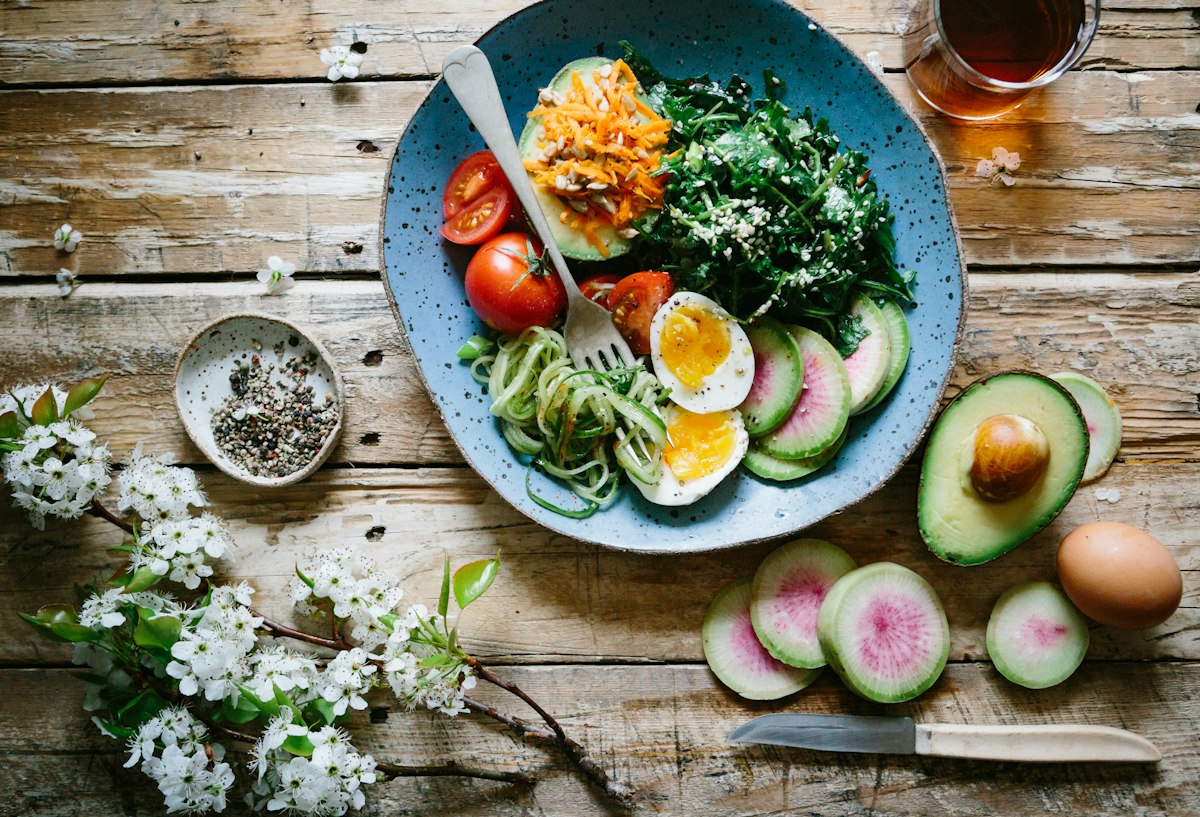
Food photography is a scam.
Okay, not a scam exactly. But if you've ever hired a professional food photographer, you know the drill. Half a day in studio, a food stylist who charges $800 just to show up, props you'll never use again, and a photographer who sends you 200 shots two weeks later. You pick 12. You pay $3,000+.
For 12 photos.
I've talked to a lot of DTC food and beverage founders, and this is the part that kills them early on. Physical product. Needs great photography. Photography costs a fortune. So they either cheap out (and their product looks sad next to competitors) or they blow the budget and pray it converts.
There's a third option now, and it's gotten really good.
the old way was brutal for food brands specifically
Here's what makes food photography uniquely painful compared to, say, a phone case or a candle:
Food doesn't hold. Ice cream melts. Garnishes wilt. Beverages go flat. You have maybe 10-15 minutes to shoot before the product looks different from the label claim. That's why food stylists exist. That's why a full shoot costs so much. You're paying for speed, expertise, and like six backup versions of the dish in case the first one sweats.
For packaged food and beverage products, though, most of what you're shooting is the packaging. The bottle. The bag. The box. And that's where AI product photography changes the math completely.
You don't need to stage your hot sauce bottle in a perfect kitchen scene with natural light and a cutting board and some sliced peppers. You can generate that scene around your actual bottle image in about two minutes.
what AI does really well for food and bev
We've tested this a lot. Here's where AI product photography consistently delivers for food brands:
Lifestyle context without a lifestyle shoot. Your olive oil bottle on a marble countertop with fresh herbs. Your protein powder next to a gym bag and a shaker cup. Your canned sparkling water surrounded by fruit and ice on a warm summer table. All of this can be generated around your product photo. The product is real. The scene is AI. And honestly, most shoppers can't tell.
Multiple SKU variations fast. Got 8 flavors? A traditional shoot means 8 separate sessions or one long expensive day. With AI, you shoot the hero product once, then swap in each SKU and regenerate the background. A brand we know launched 6 new flavors last fall and had all their product imagery done in a single afternoon.
Seasonal campaigns without seasonal shoots. Holiday packaging? Valentine's Day push? Summer limited edition? The brands that do seasonal marketing well are the ones who can turn around creative quickly. AI lets you spin up a winter scene or a summer bbq backdrop without booking a studio two months in advance.
Amazon and Shopify secondary images. Your main image still needs to be clean and compliant (white background for Amazon main images, real product). But slots 2-7? That's where lifestyle shots live. And AI is perfect for filling those out at scale without a $3k shoot every time you want to try a new angle. Check out our full Amazon 7-image strategy guide if you're not sure what to put in each slot.
the ROI math is pretty simple
Let's say you're spending $2,500 per shoot, twice a year. That's $5,000 annually just to keep your product imagery fresh.
With AI product photography tools, you're looking at something like $50-150/month depending on volume. Even at the high end, that's $1,800/year. For unlimited iterations.
But the real value isn't the cost savings. It's the speed. When you can go from idea to published image in 20 minutes instead of 3 weeks, you run more experiments. You test more angles. You actually do seasonal campaigns instead of just thinking about them.
One founder I talked to said the biggest unlock for her hot sauce brand was being able to test 4 different lifestyle backgrounds in a single week on her Shopify product page. She found that a casual backyard bbq scene outperformed a sleek restaurant kitchen scene by 22% on add-to-cart. She'd never have run that test with traditional photography. Way too expensive.
If you're curious about how A/B testing product photos actually works, we wrote up what we learned from testing 12 different product images. Spoiler: the results were surprising.
what to watch out for
Not everything is perfect. A few honest notes:
The AI sometimes struggles with liquid products where transparency matters. A glass bottle of hot sauce with visible chunks looks different depending on how well the tool handles refraction and see-through materials. For fully opaque packaging, it's basically a non-issue. For transparent containers, review carefully.
Text on packaging can get distorted if the generated scene puts your product at a weird angle. Stick to straight-on or slight 3/4 angles. Don't let the tool do dramatic perspective shots on labels with a lot of text.
Food itself (plated dishes, actual food) is still tricky with AI. We're talking about packaged products here. If you need a gorgeous plated shot of your actual dish, traditional food photography still wins. But if your product comes in a package, a bottle, a bag, or a can, you're in great shape.
getting started
The workflow is simpler than you'd think:
- Take a clean photo of your product against a white or neutral background. Phone is fine if the lighting is decent.
- Upload to an AI product photo tool (like adcreator.ai)
- Describe the scene you want. Be specific. "Marble kitchen countertop, natural light from the left, fresh basil and garlic nearby" gets better results than "kitchen scene."
- Generate a few variations. Pick the best one.
- Use it. Update it whenever you want.
Your product imagery doesn't have to be a bottleneck anymore. The brands winning on Shopify and Amazon right now aren't necessarily the ones with the biggest photography budgets. They're the ones who iterate fastest.
Start with one product. One scene. See what happens to your conversion rate.
That's the test worth running.